Stop Sending the Same Email to Everyone
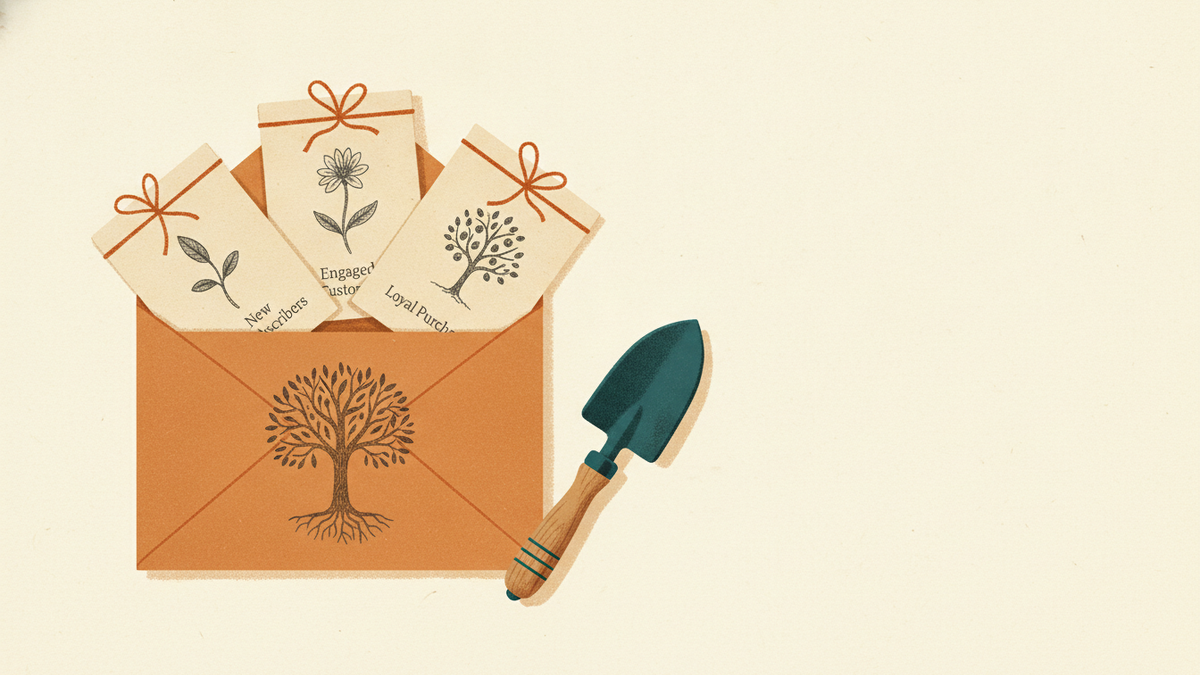
Sending the same message to your entire list is easy, but it's not very effective. It's like shouting into a crowded room and hoping the right person hears you. A better approach is to divide your audience into smaller groups, or segments, and send them emails that are actually relevant to them. This is called email list segmentation, and it's one of the smartest things you can do for your email marketing.
When you send targeted emails, you get better results. People are more likely to open, click, and buy when the message feels like it was written just for them. It shows you're paying attention.
First, Forget About Complicated Tools
You don't need fancy software to get started with segmentation. Your Constant Contact account already has everything you need to create segments using the data you already have.
The goal is to group people based on what you know about them. Think about how you'd talk to different customers in person. You wouldn't use the same pitch for someone who's a long-time regular versus someone who just walked in the door. Segmentation applies that same logic to your email list.
Simple Segmentation Strategies to Start With
Here are a few practical email list segmentation strategies you can set up in your Constant Contact account today. Start with one or two, see how they work, and build from there.
1. New Subscribers
This is the easiest segment to create. Anyone who just signed up for your list belongs here. They're interested in what you have to offer, but they don't know you very well yet.
Don't just dump them into your regular newsletter rotation. Send them a dedicated welcome series that introduces your brand, sets expectations, and offers immediate value. This is your chance to make a great first impression and turn a new subscriber into a loyal fan.
- What to send them: A series of 3-5 automated emails that introduces your story, highlights your most popular products, and offers a small discount or free resource. For a hand with the copy, you can use our Welcome Email Generator to get started.
2. Purchase History
Grouping customers by what they've bought is a powerful way to send relevant offers. If someone bought a specific product, they might be interested in related accessories or a replenishment reminder.
For example, if you sell coffee, you could create a segment of everyone who bought a specific single-origin bean. When that bean is back in stock or you have a similar one to recommend, you can email that group directly.
You can also segment by purchase frequency (who buys often vs. once in a while) or total spending (your VIPs vs. your bargain hunters).
- What to send them: Cross-sells, upsells, new product announcements related to their past purchases, and VIP-only special offers.
3. Email Engagement
This segment is based on how people interact with your emails. You can create groups for your most engaged subscribers (the ones who open and click everything) and your least engaged subscribers (the ones who haven't opened an email in months).
Your most engaged fans are your "super-readers." They love what you do. You can send them more frequent emails, ask them for feedback, and give them early access to new things. They have earned a special place in your marketing.
For the subscribers who have tuned out, you can send a targeted re-engagement campaign to try and win them back. If they still don't respond, it might be time to remove them from your list. It's better to have a smaller, more engaged list. A clean list also helps you avoid the spam folder.
- What to send them: For engaged subscribers, send exclusive content and special offers. For disengaged subscribers, send a "win-back" campaign asking if they still want to hear from you.
4. Location
If you have a physical store or run local events, segmenting by geography is a no-brainer. You can create segments by city, state, or zip code.
This allows you to send location-specific announcements about in-store promotions, local events, or even just weather-related offers. If you're an online-only business, you can still use location to send messages about regional shipping deals or to tie your marketing into local holidays or events.
- What to send them: Invitations to local events, store-specific sales, and geographically relevant content.
5. Website Activity
If your website and email platform are connected, you can track what people do on your site and use that to create segments. Did they visit a specific product page? Did they abandon their shopping cart?
This is where things get really powerful. If someone looks at a product several times but doesn't buy, you can send them an email with more information about that product, customer reviews, or a small discount to nudge them over the finish line. If they leave items in their cart, an automated abandoned cart email can bring a surprising number of them back to complete the purchase.
Knowing what to send and when is key. Don't just send the same generic reminder to everyone. A/B testing different subject lines and offers can help you find what works best for your audience.
- What to send them: Abandoned cart reminders, follow-ups based on pages they visited, and product recommendations based on their browsing history.
It's About a Conversation
Email list segmentation isn't about tricky marketing tactics. It's about treating your subscribers like people. You're simply trying to have a more relevant, one-on-one conversation with them.
Start simple. Pick one of these strategies and try it out. The goal is progress, not perfection. By sending the right message to the right person at the right time, you'll build a stronger, more profitable relationship with your audience.