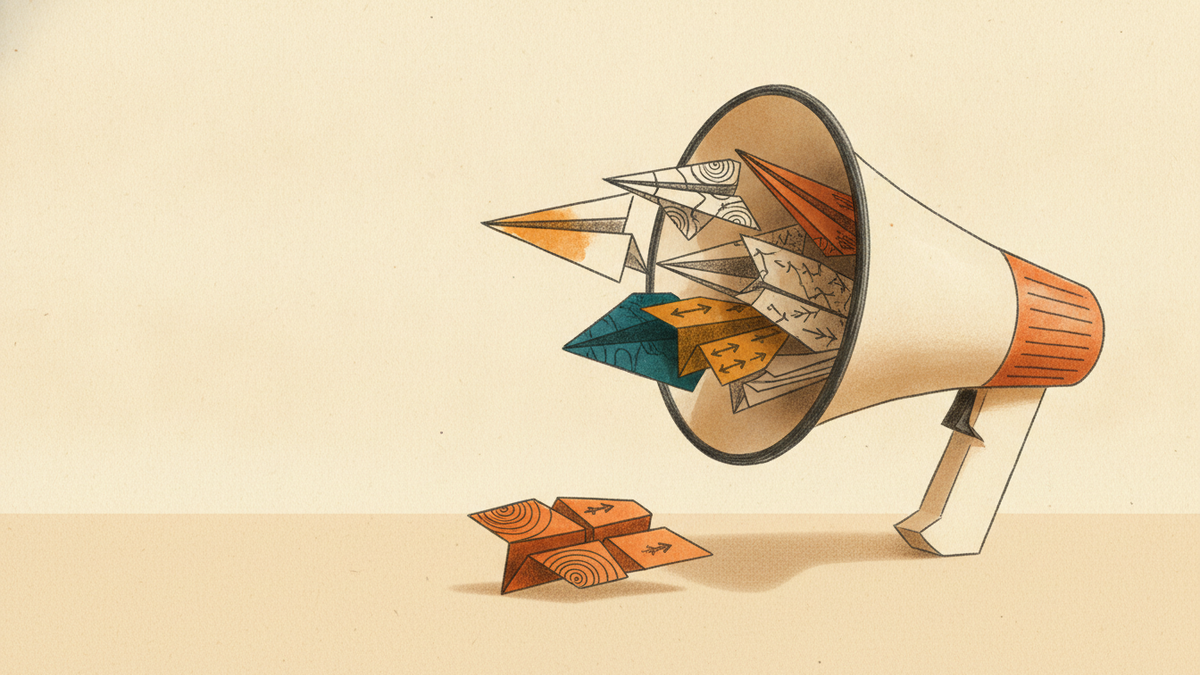
Send the price increase email yourself, before anyone finds out from an invoice. That one choice does more to protect your customer relationships than any clever wording you could come up with.
Most of the anger around price changes isn't about the money. It's about being surprised. A customer who gets 30 days' notice and a clear reason usually shrugs and moves on. A customer who spots a bigger charge on their card first feels tricked.
Here's how to write and send that email without losing half your list.
Give people real notice
Thirty days is the floor for most subscriptions and retainers. Sixty is better if you bill monthly and your customers budget in advance.
For one-off products or services, two to four weeks before the new price goes live is plenty.
Why the lead time matters: it gives people a choice. They can renew early, lock in the old rate, adjust their plan, or leave. Taking away that choice is what turns a price change into a complaint.
If you sell to businesses, avoid announcing during their busiest month. A bookkeeper doesn't want your email in the first week of April.
Say the number in the first two sentences
Don't bury it. Don't open with three paragraphs about your journey since 2019.
Lead with what's changing, by how much, and when. Something like:
Starting March 1, the Standard plan moves from $29 to $34 a month. Your next invoice after that date will reflect the new price.
Then explain. Then say what they can do about it.
That order matters. People scan for the number anyway. If they have to hunt for it, they get annoyed before they've read your reasoning.
Give one honest reason, not five
Pick the truest reason and state it plainly:
- Costs went up (shipping, materials, software, wages)
- You've added things people actually use
- The old price hadn't changed in years and no longer covers the work
One sentence. Maybe two. A long defense reads like guilt.
Skip vague phrases like "to continue delivering excellence" or "due to market conditions." Nobody believes those. "Our supplier raised prices twice last year" is a real sentence a person wrote.
And don't apologize repeatedly. One acknowledgment that this isn't fun news is enough. Over-apologizing makes the increase feel unfair even when it isn't.
Tell them exactly what happens next
This is the part most price increase emails skip, and it's where the support tickets come from.
Answer these in plain language:
- What's my new price, specifically?
- When does my next bill change?
- Do I need to do anything?
- What if I want to cancel or downgrade?
- Who do I ask questions?
If different customers pay different amounts, avoid a single generic number. Either use a merge field with their plan name, or segment your Constant Contact list by plan and send separate versions with the right figures in each.
Getting this wrong is expensive. One wrong number in a mass send means dozens of replies you have to answer by hand.
Offer something, even something small
You don't have to discount your way out of a price increase. But a small gesture buys a lot of goodwill:
- Lock in the current rate if they renew before the change date
- Grandfather your longest-tenured customers for another six months
- Give annual plans a discount that softens the jump
- Add a feature or service that lands the same week
Loyal customers especially notice when they're treated the same as someone who signed up last Tuesday.
Subject lines that don't get ignored
Be direct. Cute subject lines on a price email read as evasive, and people feel it.
Lines that work:
- "A change to your [Plan Name] pricing on March 1"
- "Your price is changing (here's what to expect)"
- "Important: [Company] pricing update, effective March 1"
- "New pricing starts March 1. Your options inside."
Lines to skip: "Big news!", "Some exciting changes", anything with "exciting" at all. You'll get opens and then you'll get angry replies about the bait and switch.
Test a couple of options before you commit. Our free Subject Line Tester flags spam-trigger words and length problems, and the Subject Line Generator gives you variations to compare.
A template you can paste into Constant Contact
Swap the brackets for your details and cut anything that doesn't apply.
Subject: A change to your [Plan] pricing on [Date]
Hi [First Name],
Starting [Date], [Plan] will go from [$X] to [$Y] per [month/year]. Your invoice on or after that date will show the new amount.
Here's why: [one honest sentence]. This is our first price change since [year], and it keeps [specific thing] running the way you expect.
What this means for you:
- Your new rate: [$Y] per [month]
- First invoice at the new rate: [Date]
- Nothing to do on your end. Your account continues as normal.
If you'd like to lock in your current rate, [renew/switch to annual] before [Date] and you'll keep [$X] through [Date].
If this doesn't work for you, just reply to this email. You can change plans or cancel any time, no hassle.
Thanks for being with us since [year]. Genuinely.
[Name] [Title], [Company]
Before you hit send
A few checks that take five minutes and save a week of cleanup:
Send from a person, not "no-reply." People will want to respond. Let them.
Run it through a spam check. Price emails carry words like "free," "offer," and "discount" that can trip filters. The Spam Score Checker catches those before your list does.
Preview it on mobile. Most people will read this on a phone. Make sure the number is visible without scrolling.
Test send to yourself. Confirm every merge field renders. A "Hi [First Name]," in a price increase email is a bad look.
Prep your replies. Write three short answers in advance: cancel request, downgrade request, "why is this happening." You'll use each one a dozen times.
Plan the follow-up
One email isn't enough for a billing change.
Send a reminder about a week before the new price takes effect, aimed only at people who haven't acted. Keep it to three sentences.
Then update your pricing page, your onboarding emails, and any auto-responder that quotes the old number. Stale prices in old automations create refund arguments later.
Expect some cancellations. A few is normal and doesn't mean you priced wrong. Watch replies for patterns instead. If five people say the same thing, that's worth acting on. One loud email usually isn't.